

SEXUAL HARASSMENT ATTORNEY
FOREST HILLS, QUEENS, NEW YORK CITY
If you are looking for a sexual harassment attorney in Forest Hills, you’ve come to the right place. Alyce B. Wittenstein, Esq. has been fighting for equality for over 20 years. She was a teaching assistant for the late great Haywood Burns, founded a human rights delegation to Haiti and studied with Ruth Bader Ginsburg. She will bring her experience, dedication, and energy to your case. If you are looking for a Civil Rights Attorney or Sexual Harassment Attorney in Forest Hills, we can help you.
The rights of citizens have evolved since the founding of our country. Back then only white men had rights. The campaign to achieve equal rights for women, minorities, and persons with disabilities has made great progress, but there is more work to do. Today, civil rights actions are based primarily on violations of the First, Fourth and Eighth Amendments of the United States Constitution. They are bolstered by Statutes such as Civil Rights Act of 1964, Title IX of the Education Act of 1972, The New York State Civil Rights Law, The New York State Human Rights Law and The New York City Human Rights Law. A Civil Rights and Sexual Harassment Attorney is right here in Forest Hills, ready to fight for your rights.
Federal Law prohibits discrimination based on:
- Race
- Color
- National origin
- Religion
- Gender (including pregnancy, childbirth, and related medical conditions)
- Disability (physical or mental)
- Age (40 and older)
- Citizenship status
- Genetic information
New York Law offers MUCH more protection:
- Race
- Color
- National origin
- Religion
- Sex (including pregnancy, childbirth, and related medical conditions)
- Disability (physical or mental)
- Age (18 and older)
- Genetic characteristics
- Marital status
- Familial status (being pregnant, caring for a child under 18, or seeking to adopt a child under 18)
- Sexual orientation (includes perceived sexual orientation)
- Gender identity
- Lawful use of any product or lawful recreational activities when not at work
- Military status or service
- Observance of Sabbath
- Political activities
- Use of service dog
- Prior arrests or criminal accusation
- Prior convictions (unless certain requirements have been met)
- Domestic violence victim status
CIVIL RIGHTS LAWYER WITTENSTEIN & WITTENSTEIN
SEXUAL HARASSMENT ATTORNEY
FOREST HILLS, QUEENS, NEW YORK CITY
If you have been treated differently in employment, housing, lending or by a business owner, please contact us for a free consultation to determine whether you have an actionable Civil Rights case. At Wittenstein & Wittenstein we are passionate about protecting the Civil Rights of New Yorkers in Queens, Brooklyn, State Island, The Bronx, Manhattan and Long Island. Call us at 718-261-8114 for more information.
________________________________________
Gravity: CEO Politics
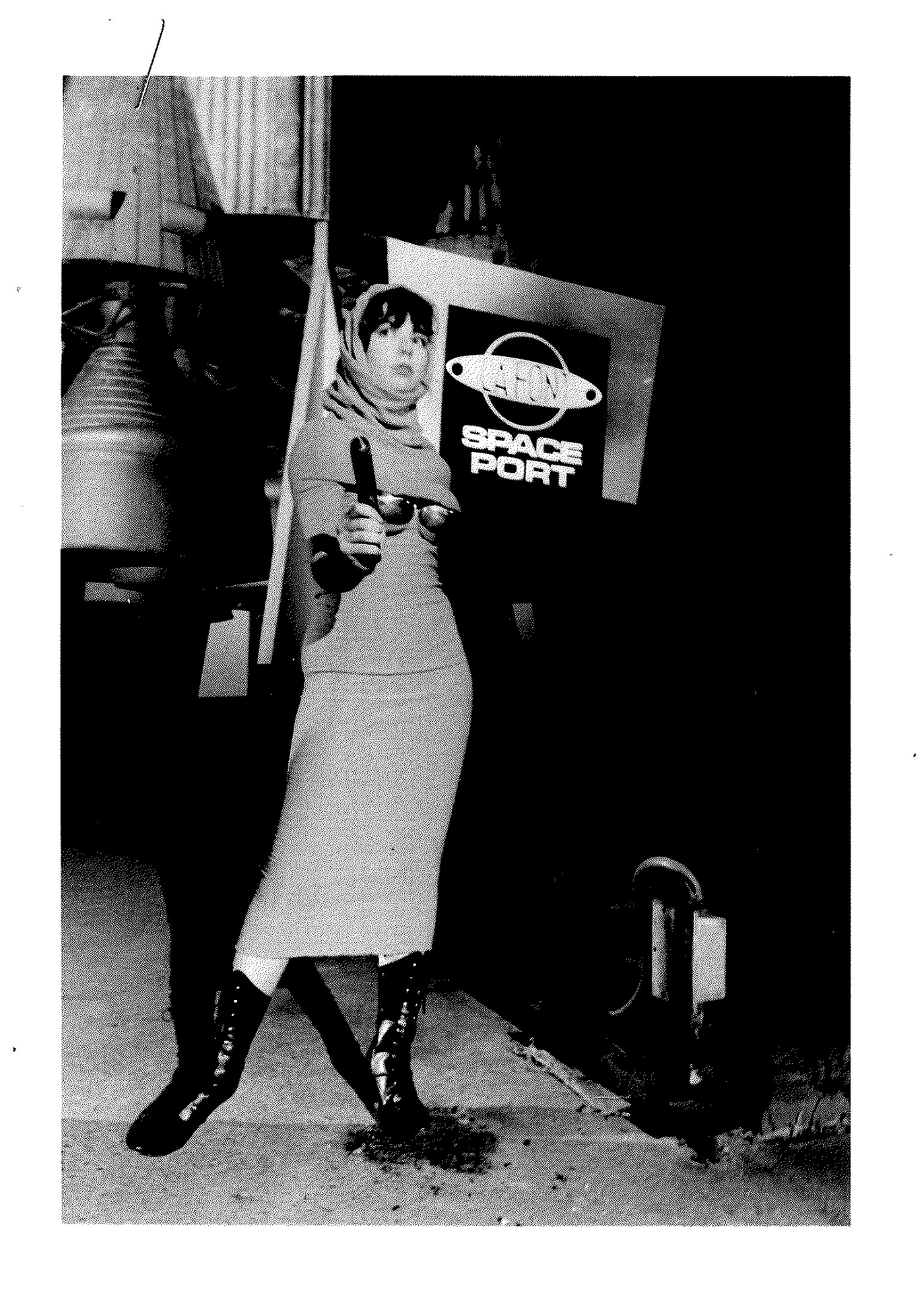
Before Donald Trump turned American politics into corporate spectacle, No Such Thing as Gravity predicted exactly that world: a CEO-in-chief who governs like a brand manager and treats the country like a company. Policies become product launches. Truth becomes marketing copy. Leadership becomes performance. The film’s portrayal of a profit-obsessed leader is disturbingly familiar. Decisions that affect millions are reframed as business calculations. Human lives become numbers on a spreadsheet. This collapse of morality into metrics is the film’s most chilling insight — and its most prophetic. See this prescient political satire at the Spectacle Theater in Brooklyn, part of the Multiple Futures trilogy.

Betaville: Comedy of Capitalism
Most dystopias are grim. Betaville is bright, loud, absurd — and that’s what makes it devastating. Instead of showing us a dark authoritarian future, it reveals the ridiculousness of our own world by pushing capitalist culture to its comedic breaking point. The film’s exaggerated fashion, extravagant characters, and relentless pursuit of trendiness showcase the ways in which capitalism creates arbitrary hierarchies. People compete not for survival, but for relevance. Success isn’t measured in ethics or intelligence, but in visibility—a concept more relevant now than ever in the influencer age. Why does the comedy hurt? Because it’s true. The film exposes the irrationality of capitalist systems that prey on insecurity, reward superficiality, and punish nonconformity. In [...]
Betaville: Cruelty of Style
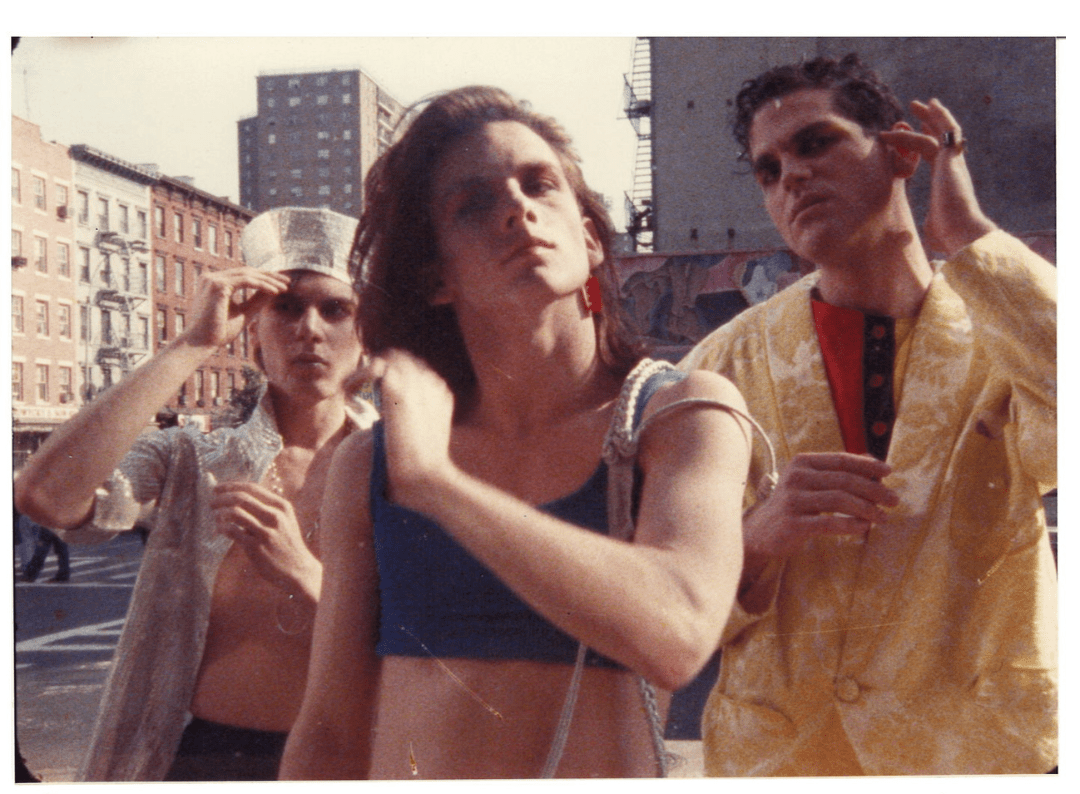
In Betaville, aesthetic judgment has evolved into a form of social control. Looking wrong isn’t embarrassing — it’s dangerous. The film imagines a world where falling out of style is a capital offense, a reality in which fashion determines value and conformity determines survival. This mirrors one of the harshest truths of modern culture: beauty standards and trend cycles exert tremendous emotional pressure, especially on teens and young women. Social media has turned public evaluation into a 24/7 spectator sport. A single post can crown someone “in” or exile them as “cringe.” Betaville simply makes literal what many already feel: that style is a form of power, and losing it is a kind of death. [...]

Betaville: Capitalist Dystopia
Most dystopias warn us about authoritarian governments, surveillance states, or collectivist control. Betaville does something far more disruptive: it imagines a world ruled by capitalism, fashion, and the aesthetics of power. In this universe, falling out of style is not a social misstep — it’s a threat to your safety, your identity, even your standing as a person. That’s what makes Betaville such a rare dystopia. Instead of government tyranny, the oppressor is trend culture weaponized. Fashion dictates law. Aesthetic taste ranks higher than ethics. And value, both personal and social, is determined by image. This is capitalism at its most absurd and its most dangerous — a system where the marketplace decides who deserves [...]

Environmental Amnesia
Perhaps the most haunting thing about The Deflowering is not what we see, but what the characters never see at all. They live in a world without flowers, without lush landscapes, without the textures of wild nature—and they don’t even know what they’re missing. This is more than a poetic detail; it’s a profound commentary on environmental amnesia and how easily people can adapt to a diminished world. When you grow up never seeing butterflies, you don’t mourn their absence. When the sky is always hazy, you don’t realize the air used to be clearer. In The Deflowering, the corporation exploits this fact. It has scrubbed history, hidden the evidence of its own role in [...]