
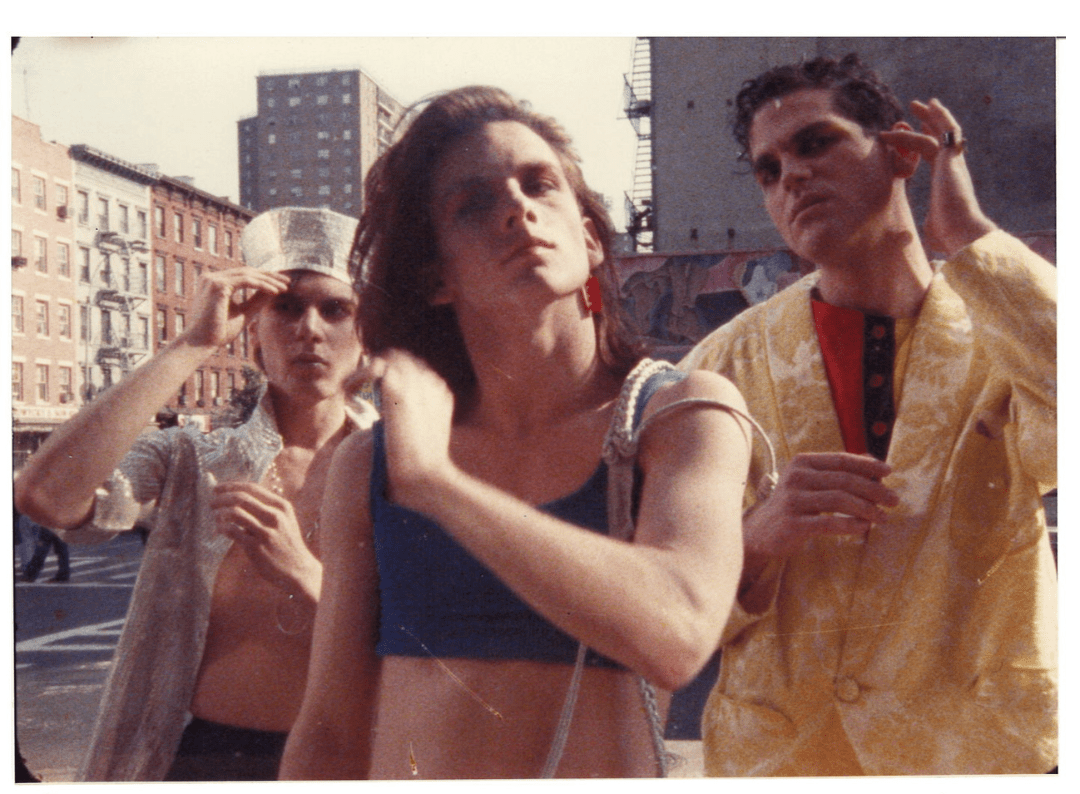
In Betaville, aesthetic judgment has evolved into a form of social control. Looking wrong isn’t embarrassing — it’s dangerous. The film imagines a world where falling out of style is a capital offense, a reality in which fashion determines value and conformity determines survival.
This mirrors one of the harshest truths of modern culture: beauty standards and trend cycles exert tremendous emotional pressure, especially on teens and young women. Social media has turned public evaluation into a 24/7 spectator sport. A single post can crown someone “in” or exile them as “cringe.” Betaville simply makes literal what many already feel: that style is a form of power, and losing it is a kind of death.
This world is not controlled by force, but by aesthetic anxiety expertly weaponized by capitalism. Trend cycles are manufactured to keep the population consuming endlessly. Status becomes a commodity that must be purchased over and over again. In this sense, the film is brutally honest about how the beauty, fashion, and influencer industries profit from insecurity.
The comedy in the film makes the cruelty visible without drowning the viewer. Its bright colors and dramatic characters make us laugh, but the underlying message is razor-sharp: we are already living in a world where looks determine opportunity, where beauty is confused with worth, and where the pressure to “stay in style” never lets up.
Watching Betaville now is like watching our own world tilted a few degrees — just enough to see the machinery of aesthetic capitalism exposed. It’s absurd, yes. But so is the real world, where teenagers are bullied into anxiety disorders over their appearance, and adults reshape their identities for the algorithm.
Experience Betaville at the Spectacle Theater in Brooklyn, where the satire lands even harder in a room full of real, imperfect, unfiltered humans.

