
COSMETICS
PRODUCT LIABILITY ATTORNEY

Cosmetics Manufacturers have a duty to make sure their products are safe for consumers. They can breach this duty when they create unsafe products or fail to warn consumers about dangers that may impact a portion of the population, such as known allergic reactions. If you have been seriously injured by cosmetics, you need an experienced Cosmetics Product Liability Attorney at your side.
STRICT PRODUCT LIABILITY
An injured party can sue both the seller and the manufacturer of cosmetics, depending on whether the injury was caused by a defective design, a defect or by improper labeling. New York follows the “strict product liability” standard which means that an injured person bringing an action must prove that they are the type of consumer the product was intended for, that the defect did not occur after the product was sold (ie; left out in the sun,) and that there is an injury. The theory is called “strict liability” because it is not necessary to prove, as it is in most negligence cases, that there was a “specific duty of care” to that particular user. This standard applies to most consumer marketed products. An experienced Cosmetics Product Liability Attorney can be retained to represent you in strict liability claims.
BREACH OF WARRANTY
This theory is available is a manufacturer or seller made any specific guarantees that a product would accomplish a particular goal, but this would not apply in cases where there is an actual injury. It can also be brought with the general theory that there is an implied guarantee that a product is “fit for normal use” and therefore should not cause an injury. The third breach of warranty claim would be that the seller and manufacturer knew that the product was being used “off label” for a specific purpose and caused injury when used in that way. These claims do not always result in an award of damages, but can be helpful in bringing a strict liability claim. An experienced Cosmetics Product Liability Attorney can be retained to represent you in breach of warranty claims.
ALLERGIES
When manufacturers know or should know, that a cosmetic product causes an allergic reaction in some people, they have a responsibility to warn of this risk. If the allergy is common, it could give rise to a breach of warranty that the product was fit for cosmetic use. Make sure to tell your Cosmetics Product Liability Attorney about any allergies you have.
COSMETICS PRODUCT LIABILITY ATTORNEY

Executive Order – Jan 6 (Speculative)
SUMMARY January 20, 2029 President Orders Preservation and Public Access to the Historical Record of the January 6 Attack on American Democracy Today, the President signed an Executive Order directing the preservation, organization, and lawful public accessibility of the historical and judicial record related to the January 6, 2021 attack on the United States Capitol. The Order affirms that while presidential pardons resolve criminal liability, they do not erase historical facts, judicial findings, or the public record. The initiative is designed to safeguard democratic memory, ensure transparency, and support civic education—without imposing punishment, stigma, or retaliation against any individual. PRESS RELEASE FOR IMMEDIATE RELEASEJanuary 20, 2029 President Signs Executive Order to Preserve January 6 Historical [...]

Executive Order – East Wing Restoration (Speculative)
SUMMARY January 20, 2029 President Orders Removal of Unauthorized State Ballroom and Restoration of the White House East Wing Today, the President signed an Executive Order directing the complete demolition of the recently completed White House State Ballroom and the reconstruction of the historic East Wing. The order restores essential presidential, public, and security functions eliminated by the East Wing’s demolition and affirms that the White House is a national trust held for institutional continuity—not personal legacy. © 2025 Alyce Wittenstein. All Rights Reserved. Project 2029 and all associated text, structure, and policy formulations are original copyrighted works. No portion may be reproduced, adapted, translated, or distributed without express written permission, except for brief quotations [...]

Executive Order – Kennedy Center (Speculative)
SUMMARY January 20, 2029 Today, the President signed an Executive Order restoring the John F. Kennedy Center for the Performing Arts to its lawful name, memorial status, and independent governance. The Order voids unauthorized renaming actions taken on December 18, 2025, reaffirms congressional intent, and restores the Center as a national cultural institution held in trust for the American people—not as a vehicle for personal or political legacy. FULL EXECUTIVE ORDER TEXT [PASTE YOUR FULL EO TEXT HERE — unchanged] PRESS RELEASE WASHINGTON — The President today signed an Executive Order restoring the John F. Kennedy Center for the Performing Arts to its proper legal name, memorial status, and governance structure. The Kennedy Center was [...]
Introducing Project 2029
Project 2029 began as a deliberate shift in how I use imagination. More than thirty-five years ago, I made dystopian films that imagined political and social futures shaped by fear, institutional failure, and concentration of power. At the time, those futures felt exaggerated—useful as warnings, but safely distant from reality. Over time, many of the conditions those films explored stopped feeling speculative and began to feel familiar. That experience changed how I think about storytelling and political imagination. If dystopian futures can move from fiction into lived experience, then imagination is not neutral. It shapes what people expect, accept, and resign themselves to. Project 2029 is a conscious decision to move in the opposite direction—to [...]

The Accident Was Minor. The Injury Was Not. Why Low-Impact Car Crashes Still Cause Serious Harm
People tend to describe car accidents using the language of property damage. The car wasn’t totaled. The bumper barely dented. The airbags didn’t deploy. Everyone walked away. And yet, weeks later, the pain arrives. This disconnect—between what a crash looked like and what it did—is one of the most common and most misunderstood issues in New York car accident cases. It is also one of the most aggressively exploited by insurance companies. In Queens, where traffic is dense, speeds are inconsistent, and collisions often occur in close quarters, many crashes fall into the category insurers like to call “minor impact.” The phrase sounds scientific. It isn’t. It’s a financial label, not a medical one. Vehicle Damage [...]
Gravity: CEO Politics
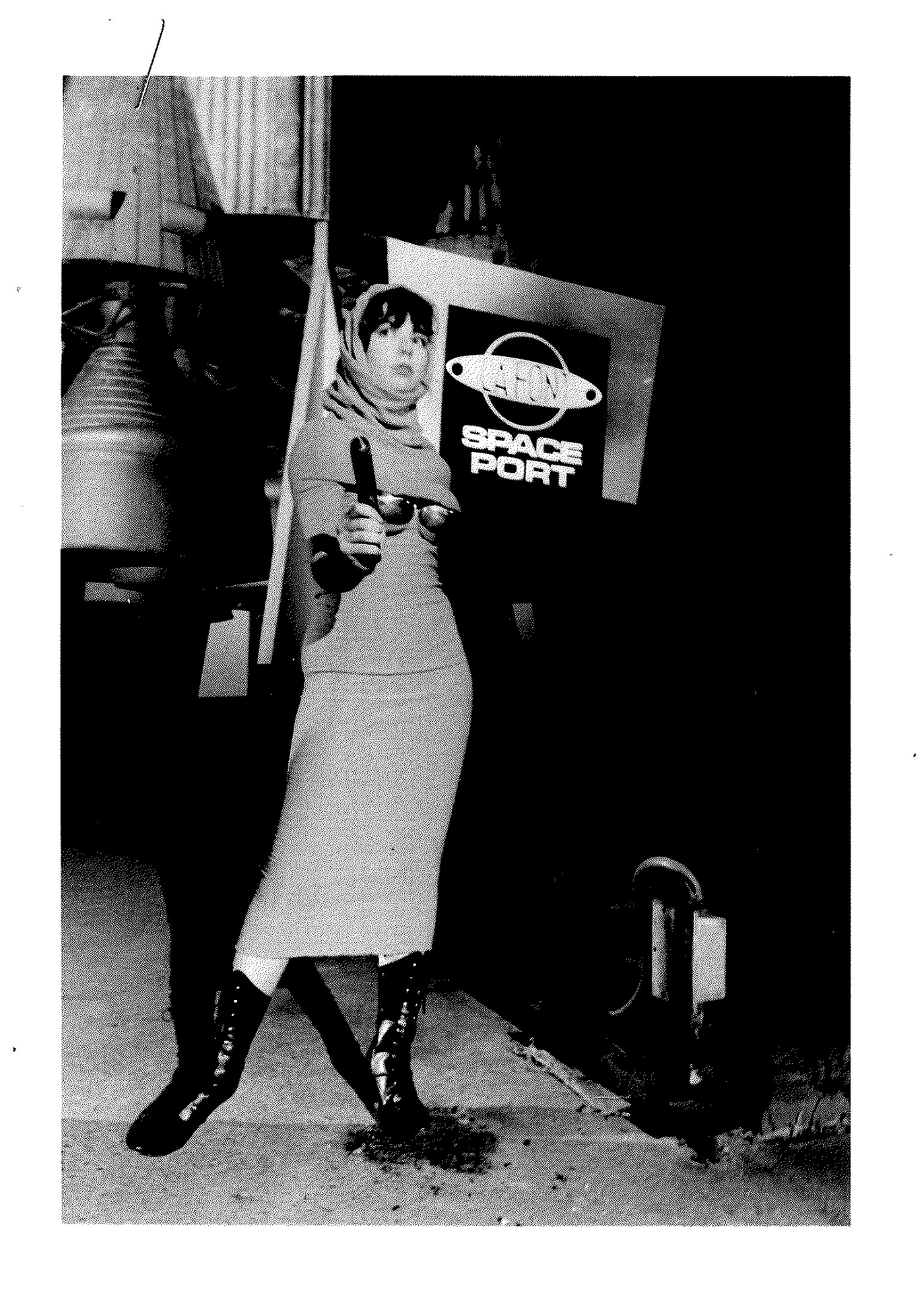
Before Donald Trump turned American politics into corporate spectacle, No Such Thing as Gravity predicted exactly that world: a CEO-in-chief who governs like a brand manager and treats the country like a company. Policies become product launches. Truth becomes marketing copy. Leadership becomes performance. The film’s portrayal of a profit-obsessed leader is disturbingly familiar. Decisions that affect millions are reframed as business calculations. Human lives become numbers on a spreadsheet. This collapse of morality into metrics is the film’s most chilling insight — and its most prophetic. See this prescient political satire at the Spectacle Theater in Brooklyn, part of the Multiple Futures trilogy.

Betaville: Comedy of Capitalism
Most dystopias are grim. Betaville is bright, loud, absurd — and that’s what makes it devastating. Instead of showing us a dark authoritarian future, it reveals the ridiculousness of our own world by pushing capitalist culture to its comedic breaking point. The film’s exaggerated fashion, extravagant characters, and relentless pursuit of trendiness showcase the ways in which capitalism creates arbitrary hierarchies. People compete not for survival, but for relevance. Success isn’t measured in ethics or intelligence, but in visibility—a concept more relevant now than ever in the influencer age. Why does the comedy hurt? Because it’s true. The film exposes the irrationality of capitalist systems that prey on insecurity, reward superficiality, and punish nonconformity. In [...]