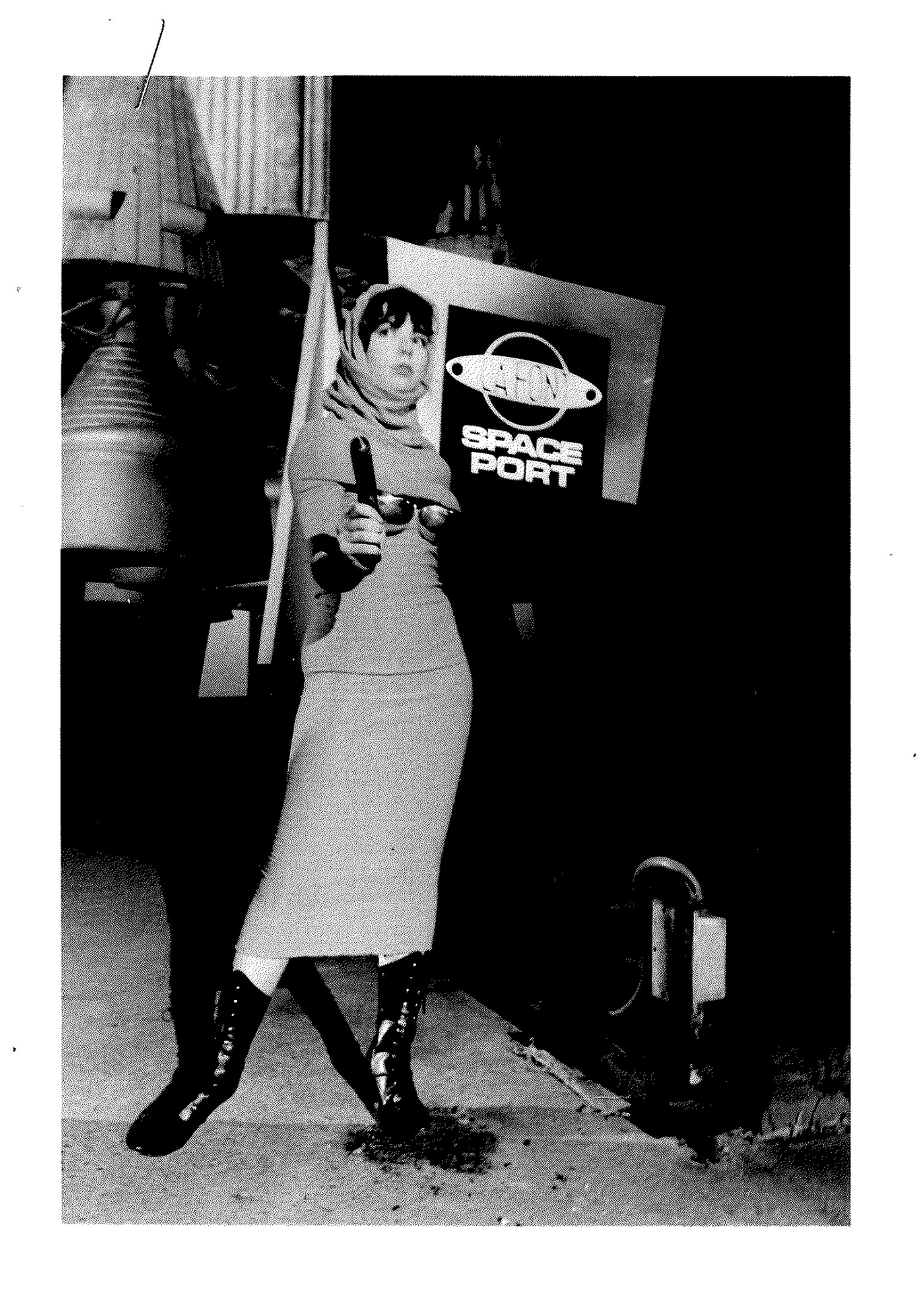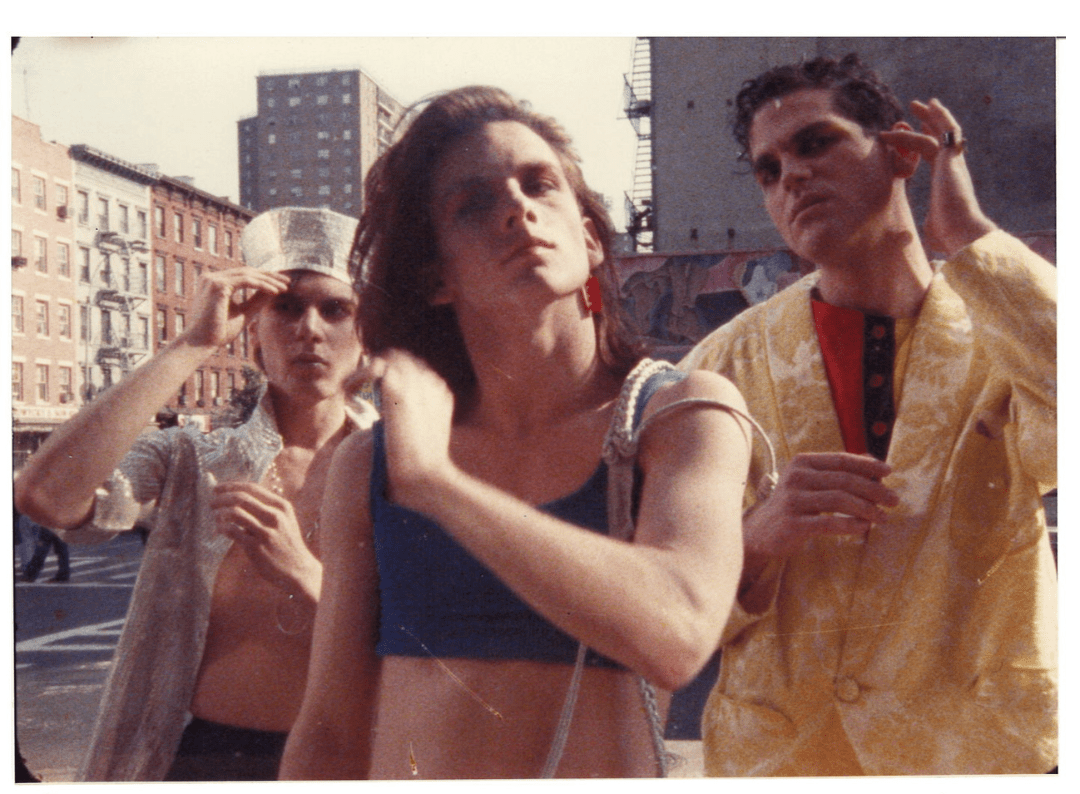

Most dystopias warn us about authoritarian governments, surveillance states, or collectivist control. Betaville does something far more disruptive: it imagines a world ruled by capitalism, fashion, and the aesthetics of power. In this universe, falling out of style is not a social misstep — it’s a threat to your safety, your identity, even your standing as a person.
That’s what makes Betaville such a rare dystopia. Instead of government tyranny, the oppressor is trend culture weaponized. Fashion dictates law. Aesthetic taste ranks higher than ethics. And value, both personal and social, is determined by image. This is capitalism at its most absurd and its most dangerous — a system where the marketplace decides who deserves to live well and who deserves to be discarded.
Seeing Betaville today is almost eerie. The film predicted influencer culture, micro-trends, social comparison, and the extreme pressures facing teenage girls long before Instagram existed. Influence has become a currency; beauty is a political force; and online approval can dictate mental health, status, and belonging. For some young people, especially girls, falling out of style really does feel deadly.
The brilliance of the film is its humor. The farce, the color, the exaggerated fashion — it allows us to laugh at the absurdity of style as a survival requirement. But the laughter has an edge. We recognize the way capitalism already exploits our insecurities, manufacturing cycles of shame and desire that keep us buying, performing, and competing.
In a country warped by Trump-era spectacle — where image triumphs over truth, branding beats integrity, and political leaders operate like influencers — Betaville now reads less like satire and more like prophecy. It exposes how fragile identity becomes in a culture where the market decides your worth.
Watch Betaville on the big screen at the “Multiple Futures” trilogy screening at Spectacle Theater in Brooklyn, 124 S 3rd St — and step into the dystopia we might already be living in.