

Betaville: Comedy of Capitalism
Alyce WittensteinMost dystopias are grim. Betaville is bright, loud, absurd — and that’s what makes it devastating. Instead of showing us a dark authoritarian future, it reveals the ridiculousness of […]


Most dystopias are grim. Betaville is bright, loud, absurd — and that’s what makes it devastating. Instead of showing us a dark authoritarian future, it reveals the ridiculousness of […]
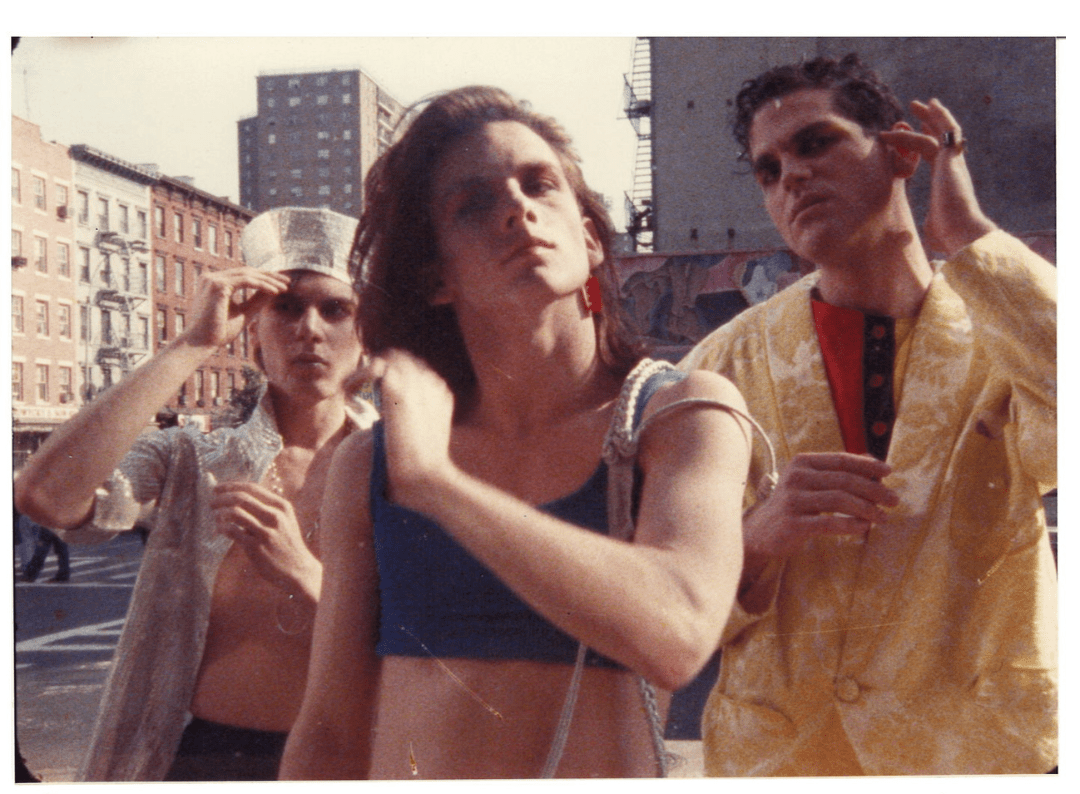
In Betaville, aesthetic judgment has evolved into a form of social control. Looking wrong isn’t embarrassing — it’s dangerous. The film imagines a world where falling out […]

Perhaps the most haunting thing about The Deflowering is not what we see, but what the characters never see at all. They live in a world without flowers, without lush landscapes, without the textures of wild nature—and they don’t even know what they’re missing. This is more than a poetic detail; it’s a profound commentary on environmental amnesia and how easily people can adapt to a diminished world.
When you grow up never seeing butterflies, you don’t mourn their absence. When the sky is always hazy, you don’t realize the air used to be clearer. In The Deflowering, the corporation exploits this fact. It has scrubbed history, hidden the evidence of its own role in environmental collapse, and presented the bleak present as normal. People don’t rebel against a loss they cannot name.
This connects directly to our own moment. Children today are experiencing fewer insects, fewer birds, more plastic, more extreme weather—yet for many of them, this is just “how the world is.” Each generation’s baseline shifts slightly downward, making it harder to recognize the scale of what has vanished. The Deflowering captures that quiet slide into acceptance.
The film suggests that environmental memory is not just sentimental—it’s political. Remembering what the world used to look, feel, and smell like is a way of resisting the narrative that destruction is inevitable. When we know that there were once more trees, more flowers, more wild spaces, we can hold corporations and governments accountable for the difference. If we forget, the powerful are free to rewrite the story.
In The Deflowering, the corporation profits twice: first by contributing to environmental ruin, and second by selling technological “solutions” to the problems it helped create. This mirrors real-world patterns in industries like fossil fuels, agribusiness, and chemical manufacturing. The film’s bleak landscape is the logical endpoint of decades of prioritizing short-term profit over long-term survival—and then convincing people that nothing else was ever possible.
Watching The Deflowering today feels like looking at a future that’s uncomfortably close. But it also sparks a different feeling: a desire to remember. To remember flowers, seasons, and bodies unmediated by machinery. To remember that the world can be otherwise.
You can confront this vision at the “Multiple Futures” film trilogy screening at Spectacle Theater in Brooklyn, where The Deflowering anchors the series with its potent mix of grief, satire, and sci-fi imagination.

New York property owners are required to maintain safe conditions on their premises. This responsibility is not boundless. In New York, property owners must make reasonable efforts to inspect and correct slippery conditions […]

With Donald Trump and his oligarchs back in power, we are sure to see a reduction in federal rights, including the right to collect compensation from negligent parties for injuries caused by negligence, […]