
QUEENS MEDICAL MALPRACTICE ATTORNEYS
EXPERIENCE AND RESOURCES
Medical Malpractice occurs when a practitioner fails to use the appropriate practices, and their mistake causes serious harm to the patient. There are many types of medical malpractice including “failure to diagnose” a condition, misdiagnosis, negligence impacting pregnancy and childbirth, surgical mistakes and mistakes in prescribing or administering medication. There are sub-specialties including pediatric malpractice, dental malpractice, and birth injuries. These cases are complicated and always require an attorney.

SURGICAL MISTAKES
If you have been injured by a surgical mistake, the Queens Medical Malpractice Attorneys at Wittenstein & Wittenstein and the Jacob Fuchsberg Law Firm can help you. Despite the great of amount of training for doctors, mistakes are still all too common. If you are the victim of a surgical mistake, you may have a claim not only against the doctor but also against the hospital and support staff. Hospitals are responsible for the training supervision of all medical personnel.
The question to ask is whether the doctor and staff followed the proper “standard of care” for the procedure. Sometimes emergencies occur during surgery, but medical staff should be probably trained to handle those emergencies as well. There are cases where it was found that the doctor was under the influence or working too many hours. Sometimes the doctor is performing surgery that he or she was not properly trained to do. Other times it’s simply a mistake or an error in judgment. It takes a team of expert attorneys and investigators to find the real cause. Queens Medical Malpractice Attorneys, Wittenstein & Wittenstein, will leave no stone unturned to get you answers.
Some example of surgical mistakes:
- Surgery at the wrong site
- Performing the wrong surgical procedure
- Incisions made incorrectly
- Equipment not fully sterilized
- Nearby organs impacted by surgery
- Surgical procedures that take too long
- Tools left inside a patient’s body
- Allergic reactions to anesthesia
- Avoidable damage to muscles, ligaments, tissue and nerves
- Avoidable infections
If you think might be a victim of a surgical mistake, you should have a free consultation to determine whether or not this is true. It could be that your doctor was following the proper protocols and there was nothing different he or she could have done. Finding this out can give you closure, help you sleep at night. If it turns out that the doctor did make a mistake, you should consider making a claim.
QUEENS MEDICAL MALPRACTICE ATTORNEYS
Please contact Wittenstein & Wittenstein for a free consultation at our Queens Medical Malpractice Attorneys office serving New York City (Queens, Brooklyn, Manhattan, The Bronx, Staten Island) and Nassau County Long Island. We will provide a free consultation. If your claim has merit, we will have your medical records reviewed to determine whether the claim can proceed. Please call us at 718-261-8114, you’ll be glad you did.

The Accident Was Minor. The Injury Was Not. Why Low-Impact Car Crashes Still Cause Serious Harm
People tend to describe car accidents using the language of property damage. The car wasn’t totaled. The bumper barely dented. The airbags didn’t deploy. Everyone walked away. And yet, weeks later, the pain arrives. This disconnect—between what a crash looked like and what it did—is one of the most common and most misunderstood issues in New York car accident cases. It is also one of the most aggressively exploited by insurance companies. In Queens, where traffic is dense, speeds are inconsistent, and collisions often occur in close quarters, many crashes fall into the category insurers like to call “minor impact.” The phrase sounds scientific. It isn’t. It’s a financial label, not a medical one. Vehicle Damage [...]
Gravity: CEO Politics
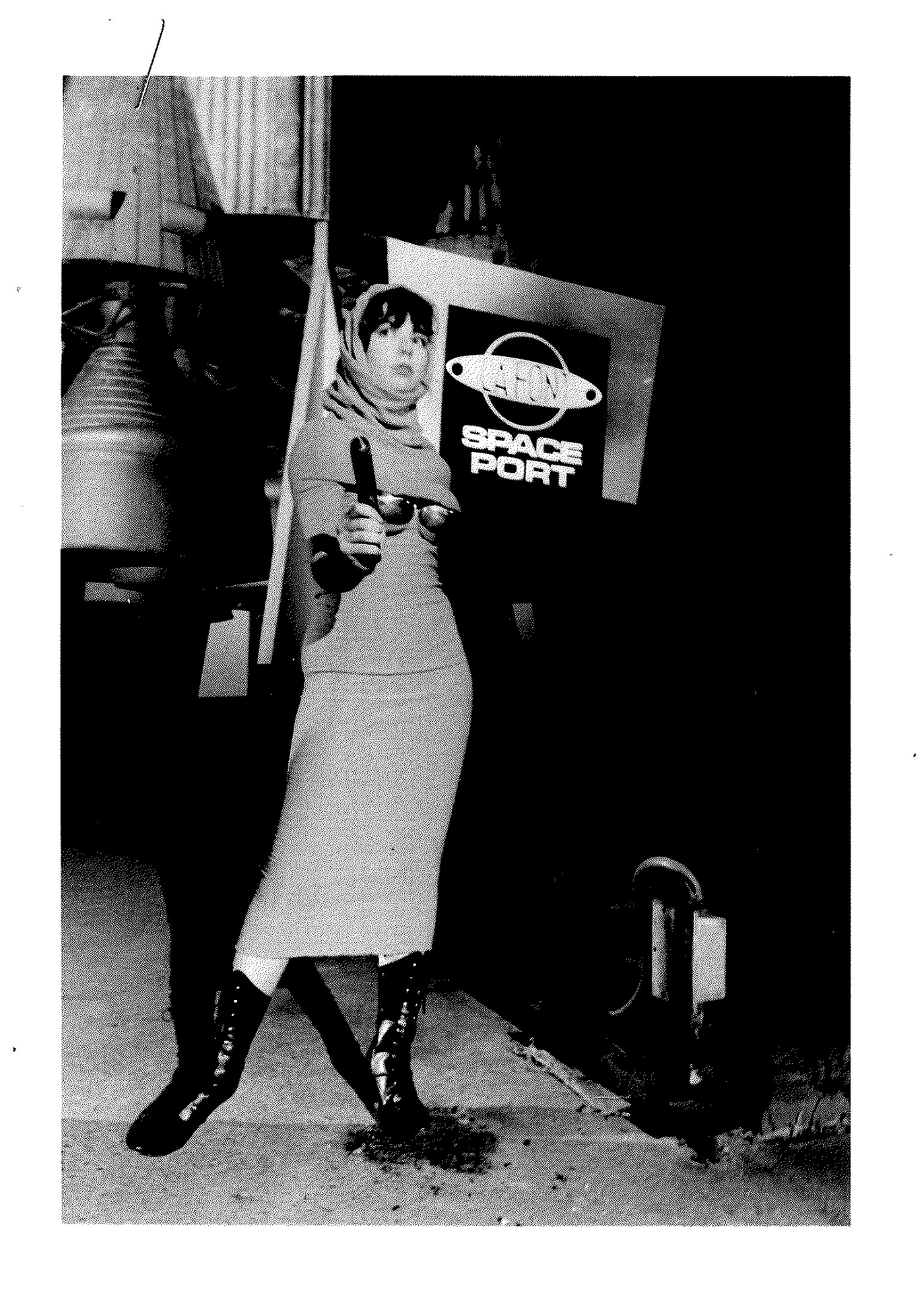
Before Donald Trump turned American politics into corporate spectacle, No Such Thing as Gravity predicted exactly that world: a CEO-in-chief who governs like a brand manager and treats the country like a company. Policies become product launches. Truth becomes marketing copy. Leadership becomes performance. The film’s portrayal of a profit-obsessed leader is disturbingly familiar. Decisions that affect millions are reframed as business calculations. Human lives become numbers on a spreadsheet. This collapse of morality into metrics is the film’s most chilling insight — and its most prophetic. See this prescient political satire at the Spectacle Theater in Brooklyn, part of the Multiple Futures trilogy.

Betaville: Comedy of Capitalism
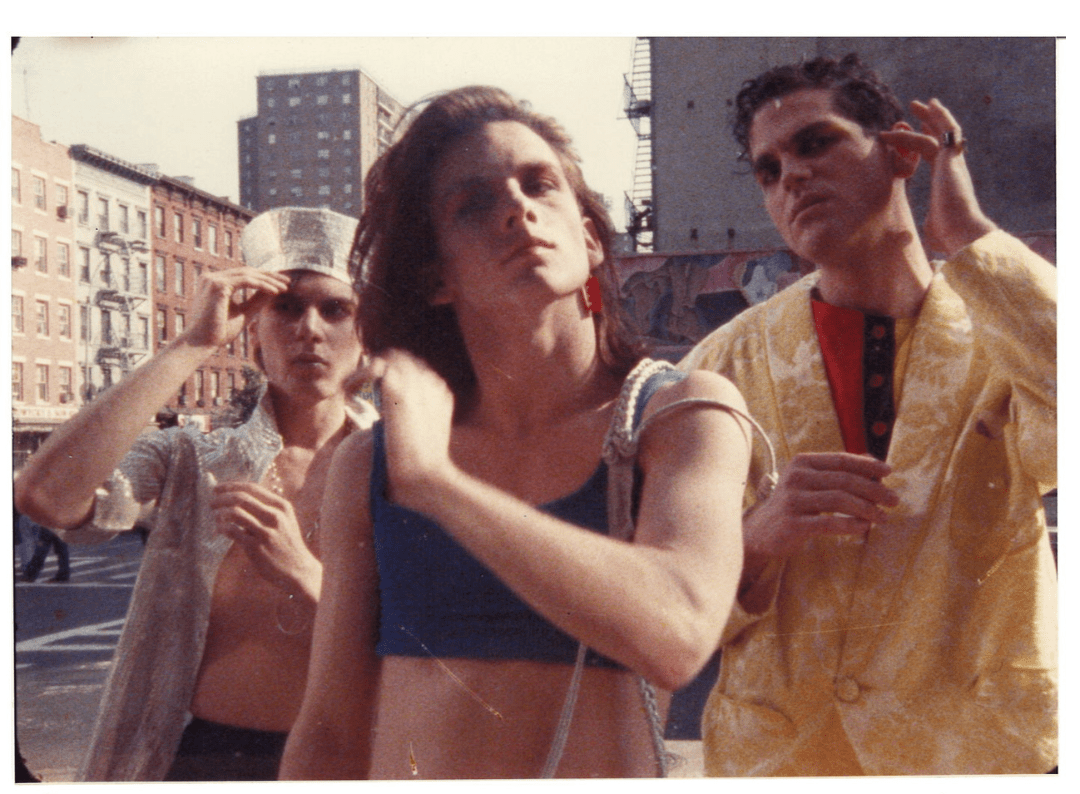
Most dystopias are grim. Betaville is bright, loud, absurd — and that’s what makes it devastating. Instead of showing us a dark authoritarian future, it reveals the ridiculousness of our own world by pushing capitalist culture to its comedic breaking point. The film’s exaggerated fashion, extravagant characters, and relentless pursuit of trendiness showcase the ways in which capitalism creates arbitrary hierarchies. People compete not for survival, but for relevance. Success isn’t measured in ethics or intelligence, but in visibility—a concept more relevant now than ever in the influencer age. Why does the comedy hurt? Because it’s true. The film exposes the irrationality of capitalist systems that prey on insecurity, reward superficiality, and punish nonconformity. In [...]
Betaville: Cruelty of Style
In Betaville, aesthetic judgment has evolved into a form of social control. Looking wrong isn’t embarrassing — it’s dangerous. The film imagines a world where falling out of style is a capital offense, a reality in which fashion determines value and conformity determines survival. This mirrors one of the harshest truths of modern culture: beauty standards and trend cycles exert tremendous emotional pressure, especially on teens and young women. Social media has turned public evaluation into a 24/7 spectator sport. A single post can crown someone “in” or exile them as “cringe.” Betaville simply makes literal what many already feel: that style is a form of power, and losing it is a kind of death. [...]

Betaville: Capitalist Dystopia
Most dystopias warn us about authoritarian governments, surveillance states, or collectivist control. Betaville does something far more disruptive: it imagines a world ruled by capitalism, fashion, and the aesthetics of power. In this universe, falling out of style is not a social misstep — it’s a threat to your safety, your identity, even your standing as a person. That’s what makes Betaville such a rare dystopia. Instead of government tyranny, the oppressor is trend culture weaponized. Fashion dictates law. Aesthetic taste ranks higher than ethics. And value, both personal and social, is determined by image. This is capitalism at its most absurd and its most dangerous — a system where the marketplace decides who deserves [...]

Environmental Amnesia
Perhaps the most haunting thing about The Deflowering is not what we see, but what the characters never see at all. They live in a world without flowers, without lush landscapes, without the textures of wild nature—and they don’t even know what they’re missing. This is more than a poetic detail; it’s a profound commentary on environmental amnesia and how easily people can adapt to a diminished world. When you grow up never seeing butterflies, you don’t mourn their absence. When the sky is always hazy, you don’t realize the air used to be clearer. In The Deflowering, the corporation exploits this fact. It has scrubbed history, hidden the evidence of its own role in [...]