


NEW YORK CITY KNEE INJURY ATTORNEY
The most common cause of knee injuries are traffic accidents and falls. An experienced New York City knee injury attorney knows that when there are multiple injuries from an accident, sometimes a knee problem is not apparent until several hours or even the day after the accident, when there is substantial swelling and pain. If there is any trauma to your knee from any kind of accident, it’s wise to immediately seek medical treatment even if the injury does not seem severe. Prompt treatment can often minimize the harm to the knee. It’s also important to consult with an experienced New York City Knee Injury Attorney to find out your legal rights.
It’s a good idea to go to the Emergency Room from the scene of the accident to rule out the most severe types of injuries. Emergency Rooms will take X-rays to see if there is a fracture in your knee as well as assessing any other injuries you might have. X-rays will only show broken bones, so “soft-tissue” injuries will require follow-up outside the Emergency Room.
These are the most common types of soft tissue knee injuries:
PCL Knee Injuries
The Posterior Cruciate Ligament (PCL) connects the femur to the tibia. It is located towards the back of the knee. It is a strong ligament, but can be torn with strong trauma such as a high-speed traffic accident, a pedestrian hit by a car or a fall from a height. Symptoms of a torn PCL include swelling, instability, difficulty walking and severe pain. A regimen of physical therapy can sometimes treat a PCL tear, but sometimes surgery is necessary.
MCL Knee Injuries
The Medial Collateral Ligament (MCL) is a ligament on the inner part of the knee which prevents over extension. This type of injury is usually caused by a direct blow to the outside of the knee. Symptoms of a torn MCL include a “popping sound” when the injury occurs, swelling, tenderness in the back of the knee and instability. MCL do not usually require surgery, but a brace may be necessary for some time due to the instability. Physical therapy is usually very helpful.
ACL Knee Injuries
The Anterior Cruciate Ligament is the most common serious injury in the knee. The ACL stabilizes the shin bone to ensure that it moves normally. There types of trauma that can cause ACL injuries including:
- Changing direction quickly
- Suddenly decreasing speed when running
- Landing a jump
- A collision
- Twisting (when falling)
Symptoms of an ACL tear include a “popping sound” at the time of injury, swelling, non weight bearing and instability. Doctors usually use an MRI and clinical correlation to diagnose a torn ACL. If the ACL is sprained and not torn, physical therapy may all that is needed. For simple torn ACL’s arthroscopic surgery is sometimes recommended. More severe tears may require a surgical ACL reconstruction.
NEW YORK CITY KNEE INJURY ATTORNEY
If you have hurt your knee in an accident, you need the best medical treatment. You also need the best Personal Injury Attorney to help you collect money for your medical bills, lost earnings, out of pocket expenses, plus compensation for your pain and suffering. Wittenstein & Wittenstein has been helping victims with knee injuries for over 60 years. Please call for a free consultation at 718-2611-8114.

The Accident Was Minor. The Injury Was Not. Why Low-Impact Car Crashes Still Cause Serious Harm
People tend to describe car accidents using the language of property damage. The car wasn’t totaled. The bumper barely dented. The airbags didn’t deploy. Everyone walked away. And yet, weeks later, the pain arrives. This disconnect—between what a crash looked like and what it did—is one of the most common and most misunderstood issues in New York car accident cases. It is also one of the most aggressively exploited by insurance companies. In Queens, where traffic is dense, speeds are inconsistent, and collisions often occur in close quarters, many crashes fall into the category insurers like to call “minor impact.” The phrase sounds scientific. It isn’t. It’s a financial label, not a medical one. Vehicle Damage [...]
Gravity: CEO Politics
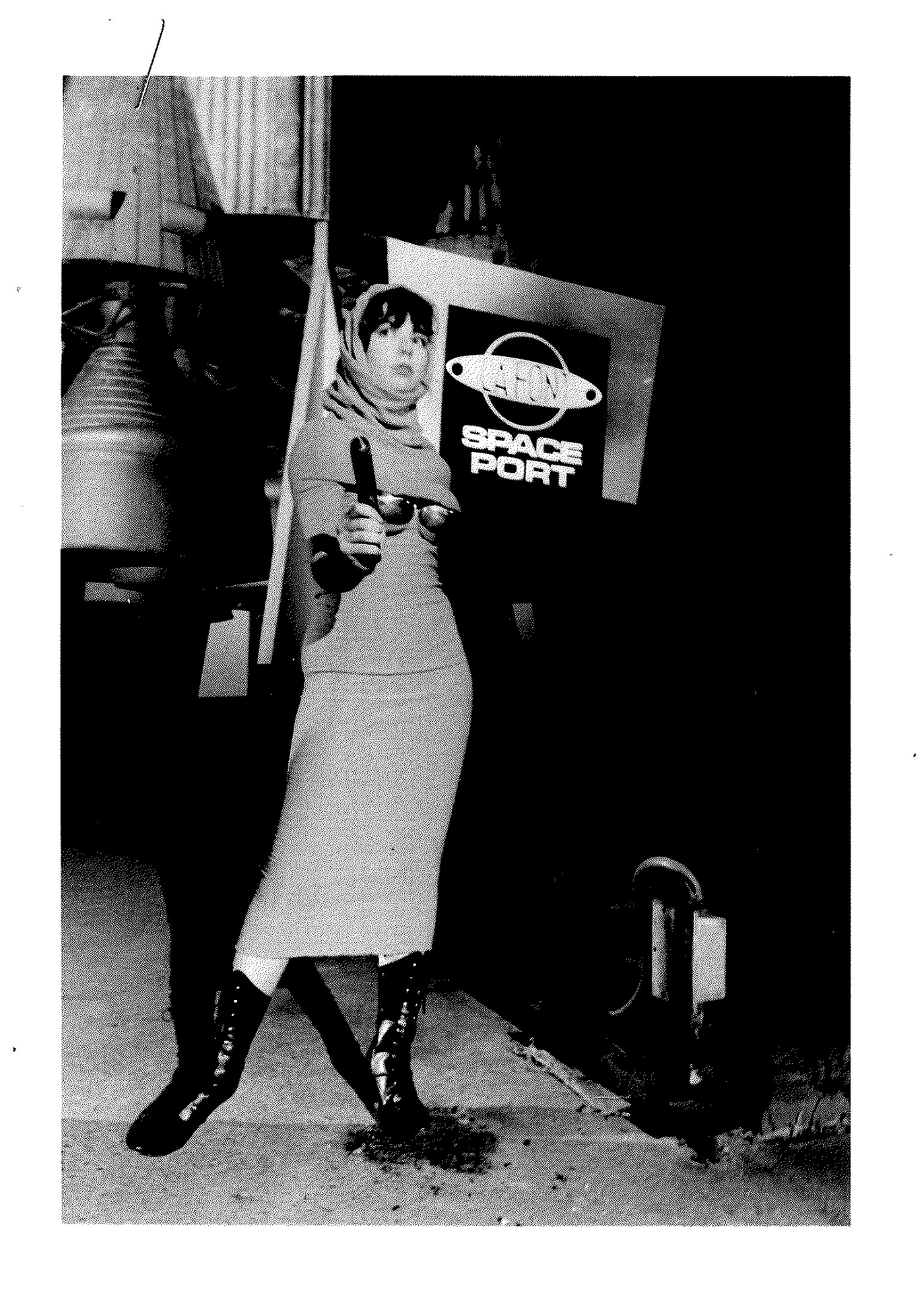
Before Donald Trump turned American politics into corporate spectacle, No Such Thing as Gravity predicted exactly that world: a CEO-in-chief who governs like a brand manager and treats the country like a company. Policies become product launches. Truth becomes marketing copy. Leadership becomes performance. The film’s portrayal of a profit-obsessed leader is disturbingly familiar. Decisions that affect millions are reframed as business calculations. Human lives become numbers on a spreadsheet. This collapse of morality into metrics is the film’s most chilling insight — and its most prophetic. See this prescient political satire at the Spectacle Theater in Brooklyn, part of the Multiple Futures trilogy.

Betaville: Comedy of Capitalism
Most dystopias are grim. Betaville is bright, loud, absurd — and that’s what makes it devastating. Instead of showing us a dark authoritarian future, it reveals the ridiculousness of our own world by pushing capitalist culture to its comedic breaking point. The film’s exaggerated fashion, extravagant characters, and relentless pursuit of trendiness showcase the ways in which capitalism creates arbitrary hierarchies. People compete not for survival, but for relevance. Success isn’t measured in ethics or intelligence, but in visibility—a concept more relevant now than ever in the influencer age. Why does the comedy hurt? Because it’s true. The film exposes the irrationality of capitalist systems that prey on insecurity, reward superficiality, and punish nonconformity. In [...]
Betaville: Cruelty of Style
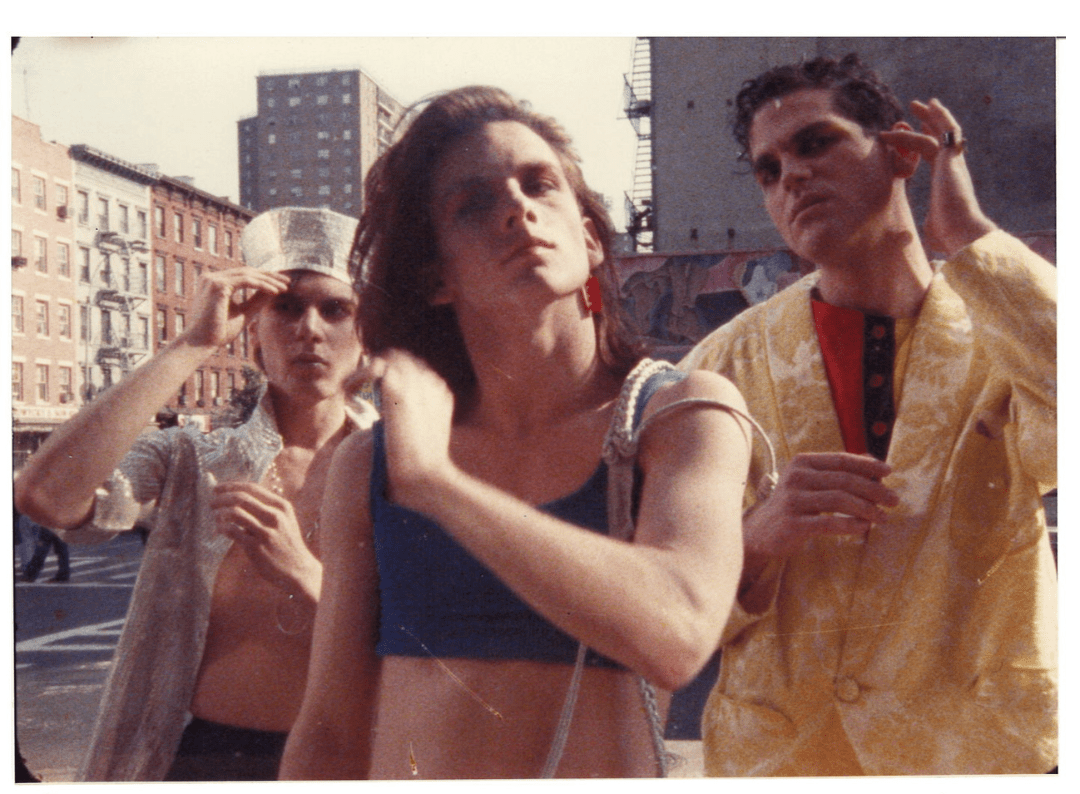
In Betaville, aesthetic judgment has evolved into a form of social control. Looking wrong isn’t embarrassing — it’s dangerous. The film imagines a world where falling out of style is a capital offense, a reality in which fashion determines value and conformity determines survival. This mirrors one of the harshest truths of modern culture: beauty standards and trend cycles exert tremendous emotional pressure, especially on teens and young women. Social media has turned public evaluation into a 24/7 spectator sport. A single post can crown someone “in” or exile them as “cringe.” Betaville simply makes literal what many already feel: that style is a form of power, and losing it is a kind of death. [...]

Betaville: Capitalist Dystopia
Most dystopias warn us about authoritarian governments, surveillance states, or collectivist control. Betaville does something far more disruptive: it imagines a world ruled by capitalism, fashion, and the aesthetics of power. In this universe, falling out of style is not a social misstep — it’s a threat to your safety, your identity, even your standing as a person. That’s what makes Betaville such a rare dystopia. Instead of government tyranny, the oppressor is trend culture weaponized. Fashion dictates law. Aesthetic taste ranks higher than ethics. And value, both personal and social, is determined by image. This is capitalism at its most absurd and its most dangerous — a system where the marketplace decides who deserves [...]

Environmental Amnesia
Perhaps the most haunting thing about The Deflowering is not what we see, but what the characters never see at all. They live in a world without flowers, without lush landscapes, without the textures of wild nature—and they don’t even know what they’re missing. This is more than a poetic detail; it’s a profound commentary on environmental amnesia and how easily people can adapt to a diminished world. When you grow up never seeing butterflies, you don’t mourn their absence. When the sky is always hazy, you don’t realize the air used to be clearer. In The Deflowering, the corporation exploits this fact. It has scrubbed history, hidden the evidence of its own role in [...]